




October 30, 2025
CPA: How to Optimize It in Google or Meta Ads?
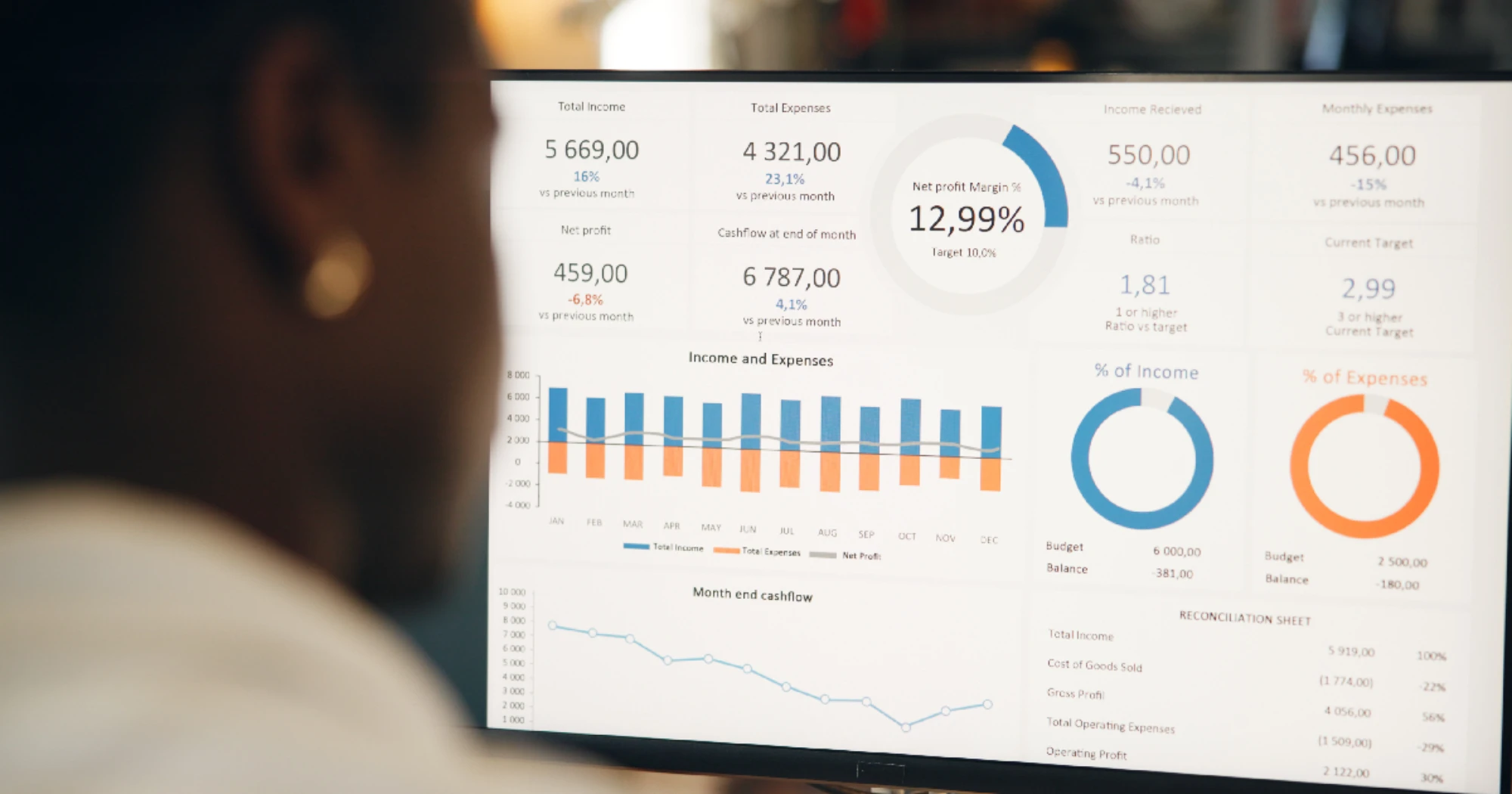
In digital marketing, Cost per Acquisition (CPA) is one of the most important metrics. It measures how much it costs you, on average, to acquire a new customer through a specific campaign. A high CPA can quickly drain your advertising budget without generating a sustainable return on investment (ROI). Both in Google Ads and Meta Ads (Facebook and Instagram), maintaining a low CPA is synonymous with efficiency and profitability. The key is not to spend less, but to spend more intelligently.
In this guide, we will explore practical and proven tactics to optimize your CPA on the two largest advertising platforms in the world, ensuring that every dollar invested works in your favor.
Understanding Your Target CPA
Before optimizing, you need to know what you're aiming for. Your target CPA is not an arbitrary number; it should be directly linked to the Customer Lifetime Value (LTV). A general rule is that your CPA should not exceed 33% of your LTV. For example, if an average customer generates $3,000 for you over their lifetime, your target CPA should be, at most, $1,000.
Knowing how to measure the ROI of your advertising is the first step to setting realistic and profitable goals. Establishing a clear target CPA allows you to evaluate the performance of your campaigns objectively and make data-driven decisions, not based on intuition.
Optimization Tactics for Google Ads
Google Ads is an intent-based platform, which offers unique opportunities for CPA optimization.
1. Improve the Quality Score
The Quality Score is a Google rating that directly impacts your ranking and cost per click (CPC). A high Quality Score reduces your CPC and, therefore, your CPA. It is composed of three factors:
- Ad Relevance: Ensure that your ads align with the keywords you have chosen.
- Expected CTR: Create attractive ad copy that invites clicks.
- Landing Page Experience: Your landing page should be relevant, easy to navigate, and load quickly.
2. Refine Your Keyword Strategy
Add negative keywords to prevent your ads from appearing in irrelevant searches that consume your budget. Focus on long-tail keywords, which usually have less competition and a higher purchase intent, resulting in a lower CPA.
3. Smart Bidding Strategies
Google Ads offers several automatic bidding strategies designed to optimize CPA. The "Target CPA" strategy allows you to set the maximum cost you are willing to pay for a conversion, and Google adjusts the bids automatically to reach that goal. "Maximize Conversions" seeks to obtain the highest number of conversions within your budget. However, these strategies require a history of at least 30-50 conversions in the last 30 days to work effectively. If you are starting, use manual bids or enhanced CPC until you accumulate enough data.
To delve deeper into efficient investment management, we recommend reading our guide on how to better optimize your budget in AdWords.
Optimization Tactics for Meta Ads
1. Detailed Targeting and Lookalike Audiences
The strength of Meta lies in its targeting capabilities. Go beyond basic demographic data and create audiences based on interests, behaviors, and psychographic data. Additionally, use Lookalike Audiences from your best customers (e.g., repeat buyers, users with high LTV) to find people with similar profiles and a high likelihood of conversion.
2. Constant Creative Experimentation (A/B Testing)

The performance of ads on social media degrades over time. Conduct systematic A/B tests to identify which combination of creatives resonates best with your audience and generates a lower CPA.
Post-Click Optimization: The Landing Page
CPA optimization doesn't end at the click. A poorly optimized landing page can ruin the best of campaigns. Ensure that your landing page meets the following criteria:
- Consistency: The message of the page should be a direct continuation of the ad.
- Clear Value Proposition: The visitor should understand the benefit in less than 5 seconds.
- Simple Form: Only ask for the strictly necessary information.
- Load Speed: Every second of delay increases the bounce rate.
Tracking and Attribution: The Foundation of Optimization
You can't optimize what you can't measure accurately. Proper tracking is essential to understand which campaigns, ads, and keywords are generating real conversions. Implement the Meta pixel and Google Ads conversion tags correctly on your website. Ensure you track not only direct conversions but also micro-conversions (e.g., add to cart, view a demo, download a resource) that indicate interest.
Attribution Models
The attribution model determines how conversion credit is assigned among different touchpoints. The "last-click" model is the simplest but can be misleading if your sales cycle is long. Consider more sophisticated models like data-driven attribution or the time decay model, which distribute credit more equitably among all channels that contributed to the conversion. This will give you a more accurate view of the true CPA of each channel.
Maximizing Your Results with Brand Industry
Campaign optimization requires expertise, time, and technical knowledge. If you prefer to focus on growing your business while experts manage your campaigns, consider working with a specialized digital marketing agency that understands your goals and can execute proven strategies.
Need help reducing your CPA and maximizing the ROI of your campaigns? Request an audit of your paid campaigns and discover how we can help you improve your results.