




July 23, 2026
Conversion Tracking: How to Save Your Ad Budget
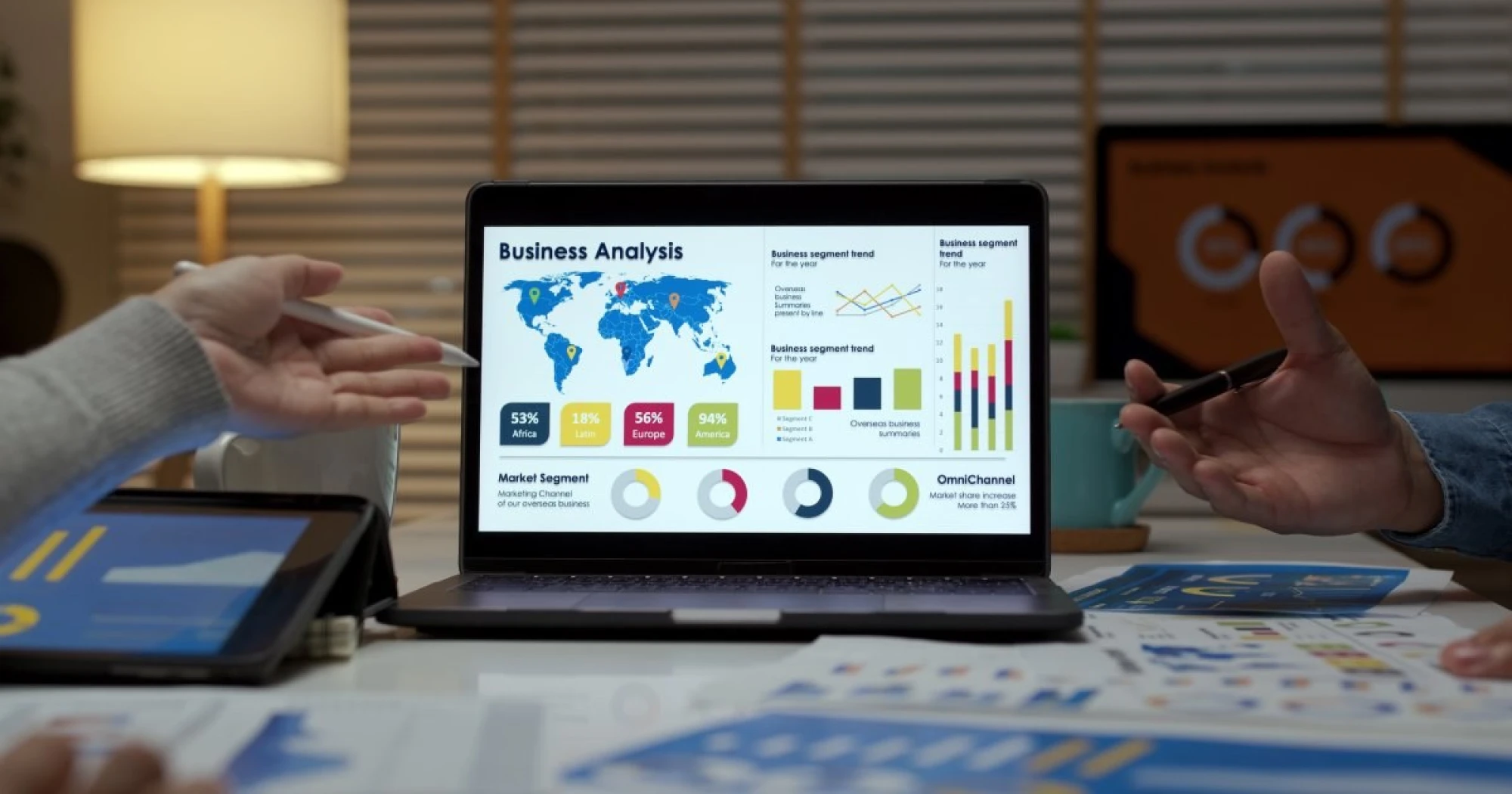
You've been investing in Google Ads for months. The platform metrics show good numbers: clicks, impressions, a reasonable CTR. But when you review the actual business revenue, the correlation with the ad investment is unclear. You can't confirm with certainty which part of the sales came from ads and which part came from other channels.
This is the most common symptom of a poorly configured or absent conversion tracking problem. And its consequences go beyond not knowing what worked: when tracking fails, automated advertising algorithms also fail because they are making investment decisions without the data they need to optimize.
The practical result: the budget is distributed inefficiently, costly clicks are not always the ones that convert, and the campaign never reaches its full potential.
To understand the digital advertising ecosystem in which tracking operates, check out our guide on what Google Ads is and how it works.
What is conversion tracking and why is it critical to your strategy?
Conversion tracking is the set of systems that records the valuable actions users complete on your website after interacting with a digital ad.
A macro conversion is the action of greatest value to the business: a completed purchase, a contact form submitted, a phone call initiated from the site, or a chat opened. These are the actions that directly represent revenue or qualified leads.
A micro-conversion is an intermediate action that indicates intent but does not yet constitute the final conversion: clicking on a CTA button, playing a product video, downloading a resource, staying on the page for more than 3 minutes. For businesses with a low volume of macro conversions (such as high-ticket B2B services), micro-conversions are essential to feed advertising algorithms with enough signals.
Google Ads' Smart Bidding algorithms need a minimum of 30 conversions per month to optimize efficiently. Below that threshold, the system operates with insufficient information and makes budget distribution decisions based on weak signals, leading to waste.
To understand how CPA works as a return metric, check out our article on how to optimize CPA in Google or Meta Ads.
What happens when conversion tracking is poorly configured?
The effects of poor tracking are gradual but cumulative. The most common ones:
The algorithm "drives blindfolded." Without accurate conversion data, Smart Bidding distributes the budget towards the signals it does have: clicks, time on page, device type. But these signals do not always correlate with the conversions that matter to the business. The algorithm may be spending 40% of the budget on an audience segment that never converts, unknowingly.
Conversions are duplicated or lost. It's more common than it seems: errors in tag implementation generate double counting of conversions (the same form is recorded twice) or total loss (the tag does not fire on certain devices or browsers). Both scenarios distort attribution and lead to wrong decisions about which campaigns to scale and which to pause.
Attribution fails between channels. A user who clicks on a Google ad, browses the site, leaves, and returns three days later via organic search, and buys: to which channel is the conversion attributed? Without a properly configured tracking system with appropriate attribution models, this conversion can be lost or attributed to the wrong channel.
To delve into best practices for data collection, check out our article on web data collection.
Essential tools for tracking conversions

A robust tracking ecosystem relies on three tools that work together:
Google Tag Manager (GTM): the tag management system
GTM allows you to implement and manage all the tracking tags on the website without needing to modify the code each time. When you need to add a new conversion, update a remarketing tag, or install the Meta pixel, GTM allows you to do it from a centralized interface.
Without GTM, each tracking change requires intervention from the development team, which slows down implementation and increases the risk of errors. With GTM, the marketing team can manage tracking independently and more agilely.
To learn how to install it correctly, check out our guide on how to install and configure Google Tag Manager step by step.
Google Analytics 4 (GA4): the unified analytics platform
GA4 replaced Universal Analytics as the standard web analytics platform. Its event-based architecture (instead of sessions) allows for more granular user behavior tracking and connects web data with mobile app data.
For conversion tracking in Google Ads, GA4 acts as the data source that records conversion events and shares them with the advertising platform. A correct GA4 configuration includes: properly defined conversion events, configured remarketing audiences, and exclusion of internal traffic to avoid data contamination.
Learn what you can achieve with a correct configuration of Google Analytics 4 in your measurement strategy.
Enhanced Conversions: the solution to the end of cookies
With the gradual elimination of third-party cookies in browsers like Chrome, traditional tracking is losing coverage. Google's Enhanced Conversions are the solution: they use first-party customer data (emails or phone numbers provided in forms, securely processed and hashed) to recover conversions that the standard system loses due to privacy restrictions.
What conversions should you track? A guide by business type
The tracking ecosystem is not the same for all businesses. The key is to precisely define which actions represent real value for the business:
E-commerce: Completed purchase (macro conversion), products added to cart, checkout started, account creation. Cart abandonment rate and average order value are key metrics.
B2B Services: Contact form submitted, quote request, phone call initiated, download of technical documentation (lead magnet), demo request. In B2B, micro-conversions are essential because the sales cycle is long. Discover the differences between B2B vs. B2C digital advertising and how to adapt your tracking strategy according to the business model.
Local Businesses: Phone call, address request, appointment booking, contact form. Google Business Profile also generates conversions that should be included in the analysis.
Subscription Services / SaaS: Account registration, free trial start, activation of key features, first usage session, conversion to a paid plan.
To complement your tracking ecosystem with the right paid media strategy, learn about our Paid Media services.
Make your budget work for you
Conversion tracking is not just a technical adjustment; it's the engine that separates companies that scale from those that simply burn budget on empty clicks. In an increasingly competitive digital market, the real advantage lies not in who invests the most, but in who measures accurately.
Stop guessing where your investment is going. At Brand Industry, we turn complex data into clear decisions, ensuring every peso generates a measurable return. To enhance these results, we integrate your strategy with a complete ecosystem of solutions: we build solid foundations with our Web Development, scale your sales in Marketplaces, and drive qualified traffic through Paid Media and SEO positioning. Additionally, we build audience loyalty through Social Media, elevating your brand perception with high-quality art and production strategies.
Ready to stop losing money and start scaling with strategy? Contact us to start measuring what really matters.