



October 9, 2020
The industrial sector does sell online: The challenge of industrial e-commerce
We well know that online sales have focused on those products and services of B2C businesses (business to consumer) like shoes, electronics, kitchen items, and many more; consumer products have fully embraced online commerce.
On the contrary, the industrial sector and B2B businesses (business to business), which in many cases are limited to corporate and informational websites, have lagged behind, believing that their consumers do not seek their services online.
However, LEK's annual contractor survey revealed that across all industries, 35% to 40% of planned purchases are made through websites and mobile applications.
In the midst of the digital transition, in Mexico, the industry faces uncharted territory, which for many can represent an obstacle, for us a world of possibilities.
The challenge for the industry in e-commerce
Fortunately, the industrial sector has encountered the window of possibilities and growth offered by digital marketing and e-commerce.
Maintaining an online presence allows industrial businesses not only to increase their sales but also to enhance the brand image, facilitate internationalization, and attract new potential consumers.
The industrial value chain is growing at a fast pace with the increase of online purchases directly from manufacturers who have already entered internet sales, whether from their own online store or through marketplaces, like Alibaba or Amazon Business.
However, the type of products and services offered at the industrial level present a challenge for their online sale.
Marketplace or Ecommerce? Learn more in our video blog.
The site
It is very common to find industrial and manufacturer websites that are not designed with the conversion of traffic to leads and consumers in mind. This means that users come to the website and leave it without having made any interaction, such as requesting information, a quote, an order, or making a purchase.
The vast majority of users searching for industrial solutions conduct in-depth research on the options available to them: they gather information on the product offerings, compare prices, read reviews, check availability and quality; and if within the first 15 to 30 seconds they do not find what they are looking for, they will abandon the website.
An industrial website must be designed to provide all the necessary information and tools for users to make the decision to purchase the product easily.
Regarding the online store, the industry has two options, create its own online point of sale or enter a marketplace. A marketplace can be a good option to test and start the new business model, then create its own online store, and even maintain both spaces aimed at different markets.
Click here and discover what you should and should not do in online sales.
Logistics
This can be carried out internally or externally. If it is decided to carry it out internally, an industrial company must be prepared to dedicate space for storage and preparation of shipments, as well as have an information system that allows you to track and inform the customer about the status of their shipment.
In the case of opting for outsourcing, a marketplace will handle storage, package preparation, transportation, and tracking the shipment status.
Goods transportation
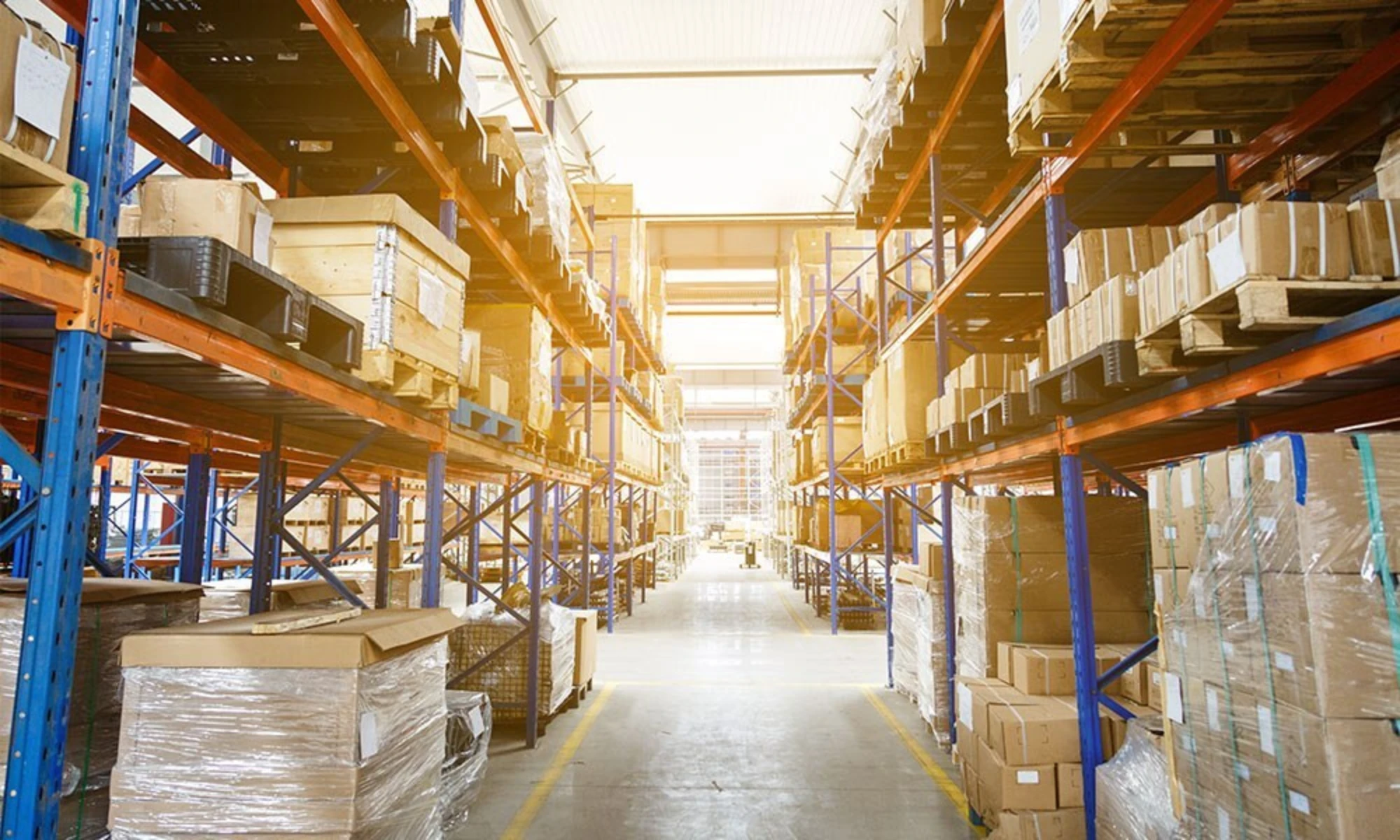
Goods transportation involves many more restrictions than package transportation, as in online commerce packages of no more than 30 kg are usually sent. When we talk about industrial goods, large distribution requires transportation in batches, pallets, or platforms, and large packaging.
Entering industrial e-commerce, one must be aware of these conditions in the shipping and transportation of goods and recognize if our company is capable of handling logistics and transportation. For this reason, many decide to sell online through marketplaces, thus delegating the task to an expert to offer better service that achieves customer satisfaction.
A new model
In general, manufacturers usually sell their products to distributors who then offer them to the final consumer. By selling online, the manufacturer has the opportunity to directly target the final consumer, with the difference that now they must be able to sell by unit as opposed to in bulk or large packaging as they do with their distributors, representing a real challenge in the new business model structure.
The margin
With the increase in logistics costs and the added time in order taking, package preparation, and shipping, manufacturers may find it difficult to achieve attractive margins through online sales.
For this reason, a market analysis and the new purchasing opportunities, even unusual ones, that a company faces in industrial electronic commerce should be conducted.
According to the study conducted by LEK, 83% of the most successful industrial companies in increasing their revenue or market share have made a strong investment in their customers' digital participation.
At Brand Industry, we specialize in facing the challenge and taking the industrial sector into the world of digital marketing. Write to us! And receive a completely free analysis of how many people search for your products or services online, your competition, and a sales projection through a digital channel.