




October 30, 2025
The 6 Pillars of a Digital Product Launch Strategy

Launching a digital product to the market is a decisive moment that can determine its future trajectory. Without a well-defined strategy, even the most innovative product runs the risk of going unnoticed. Success depends not only on the quality of the product but also on how it is presented and positioned to the right audience. A solid Go-to-Market (GTM) strategy acts as a map that guides every step, from the conception of the idea to the conversion of the first customer. In this article, we will break down the six fundamental pillars that support a successful digital product launch, ensuring that your effort and investment generate the desired impact.
1. Value Proposition and Positioning
Before any marketing action, it is crucial to define what makes your product unique and whom it serves. The value proposition is not a simple slogan; it is the central promise you make to your customers. It must clearly and concisely answer the question: What problem do you solve and why is your solution better than existing alternatives? To build a solid proposition, focus on tangible benefits for the user. A good starting point is to read about how to create an irresistible value proposition, which will give you a solid foundation to differentiate yourself.
Defining Your Ideal Customer
Conduct an in-depth analysis to create your Buyer Persona. Don't limit yourself to demographic data; research their motivations, pain points, and buying behaviors. This profile will be the compass for all your marketing and communication decisions.
2. Market Research and Competitive Analysis
Launching a product blindly is a recipe for failure. It is essential to conduct market research and competitive analysis to understand the terrain you are stepping on. Identify who your direct and indirect competitors are, what strategies they use, and what their strengths and weaknesses are. Tools like SEMrush or Ahrefs can help you analyze their online presence, while surveys and interviews with potential customers will give you invaluable qualitative insight.
Benchmarking allows you to identify the best practices in your industry and adapt them to your specific context. It's not about copying, but about learning and improving.
3. Pricing Strategy
The price of your digital product not only impacts your revenue but also the perceived value of your brand. A price that is too low can suggest low quality, while one that is too high can deter potential customers. The choice will depend on your costs, the perceived value by the customer, and your competitors' strategy.
Need help defining your pricing and positioning strategy? Schedule a strategic consultation with our team of experts.
4. Marketing and Communication Channels
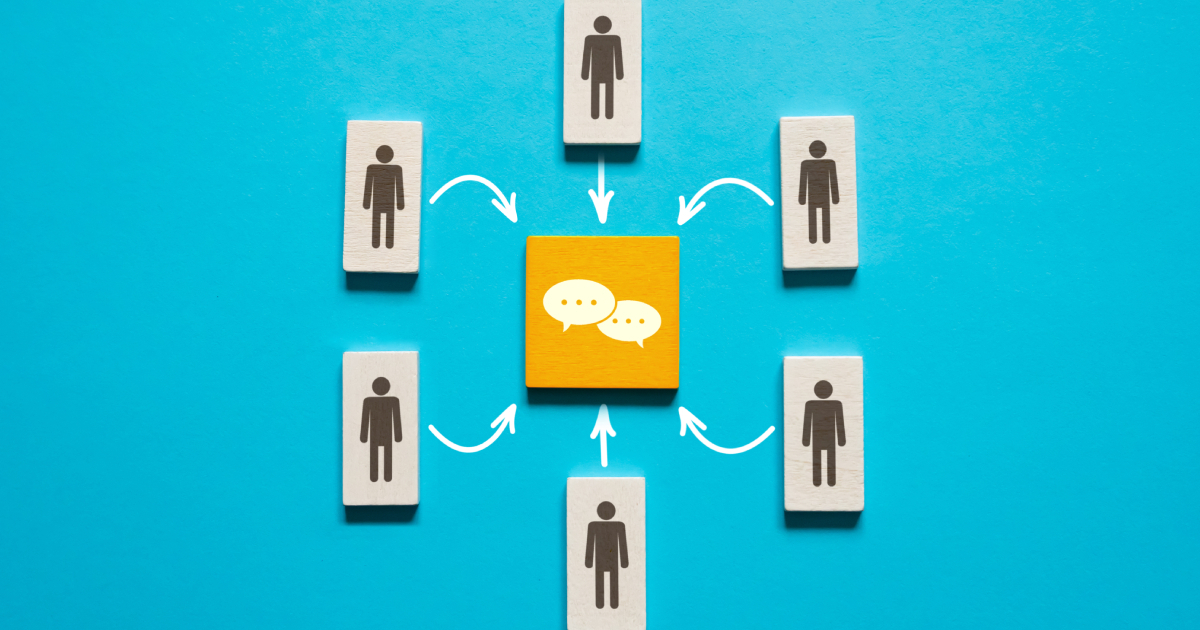
With your value proposition and price defined, it's time to decide how you will reach your audience. It's not necessary to be on all channels, but rather on those where your ideal customer is. A content marketing strategy can attract organic traffic in the long term. Consider a combination of organic and paid channels to maximize reach during the launch phase. SEM campaigns are an excellent option for generating immediate visibility.
Organic vs. Paid Channels
Organic channels, such as SEO and content marketing, take time to generate results but offer sustainable ROI in the long run. On the other hand, paid channels like Google Ads, Meta Ads, or LinkedIn Ads provide immediate results and are ideal for the launch phase. The key is to find the right balance. During the launch, invest in paid channels to generate initial traction while building your organic presence for the future. Don't forget the power of email marketing to nurture your leads and maintain communication with your audience.
5. Media Plan and Execution
The media plan details the specific actions you will take before, during, and after the launch. Define a content calendar, allocate a budget for advertising campaigns, and prepare creative materials. The pre-launch phase is key to generating anticipation. You can create a waiting list, offer early access to a select group, or collaborate with influencers in your niche. During the launch, coordinate all efforts to generate a concentrated impact.
Launch Phases
A successful launch is divided into three critical phases. The pre-launch phase (4-8 weeks before) focuses on building anticipation through teasers, educational content, and creating a list of interested parties. The launch phase (launch week) is when you execute your main campaign with full force: paid ads, content launch, press releases, and brand ambassador activation. Finally, the post-launch phase (first 4-8 weeks) focuses on maintaining momentum, collecting feedback from early users, and optimizing based on real data. Each phase requires specific objectives, tactics, and metrics.
6. Success Metrics and Optimization
What is not measured cannot be improved. Define your Key Performance Indicators (KPIs) before the launch to evaluate its success objectively. Some essential metrics include:
- Customer Acquisition Cost (CAC)
- Customer Lifetime Value (LTV)
- Conversion Rate
- Churn Rate
- Active Users (daily or monthly)
Continuously analyze this data to identify areas for improvement and optimize your strategy in real-time. Knowing how to measure the return on investment (ROI) of your advertising budget is essential for making informed decisions.
A well-executed digital product launch strategy is a force multiplier that maximizes your chances of success. If you need professional support to execute it, our team at Brand Industry has the experience and tools necessary to take your product to the next level. From Google positioning strategies to Social Media Management campaigns, we accompany you at every stage of the process.
Ready to design a launch strategy that puts your product on the map? Schedule a strategic consultation and let's start working together.